

Blogs & News

A Pilot’s career no longer begins after a CPL. It begins much earlier.
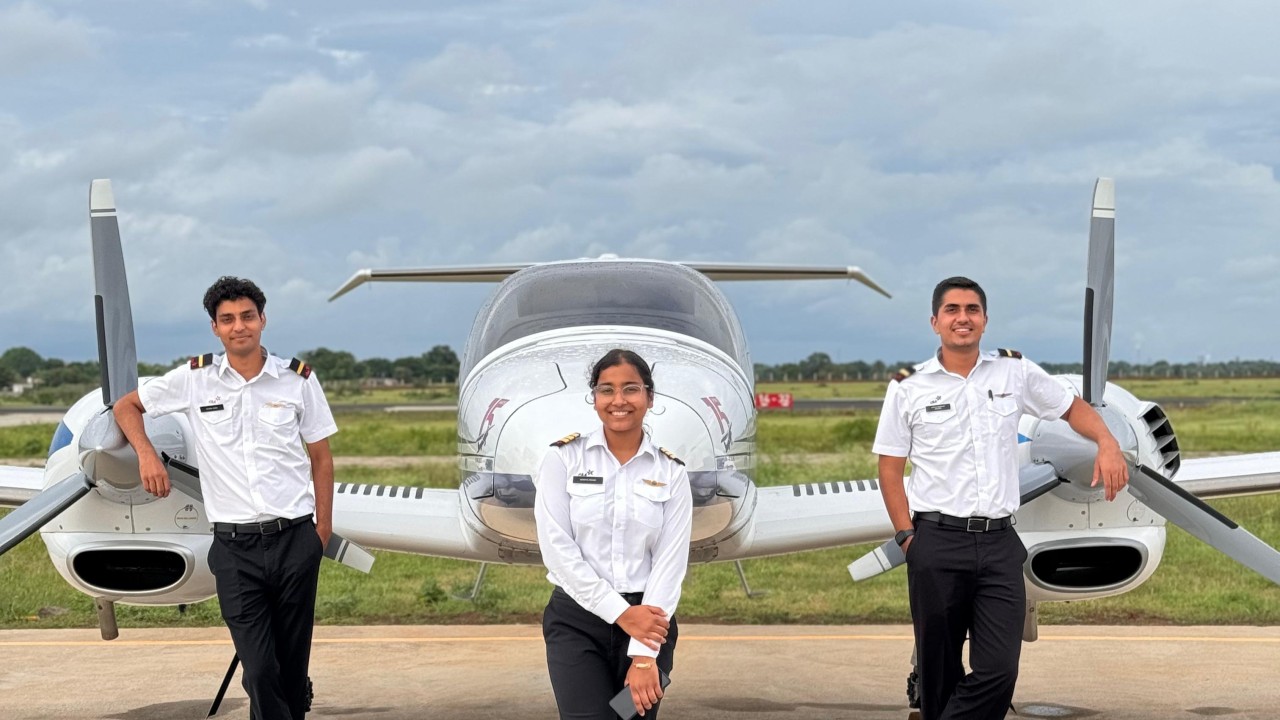
For many years, aspiring pilots believed that the journey was straightforward- you complete a CPL, build hours in the cockpit, apply for airline vacancies, and then wait for an opportunity. That was the traditional pathway into the cockpit.
But the aviation industry has changed.
Today, a pilot’s career often begins much earlier, in fact sometimes even before the first flying hour is logged. Airlines are no longer waiting at the end of the journey to select talent. They are stepping in at the very beginning.
The Shift: Airlines are building, not just hiring
Indian aviation is expanding at an unprecedented pace. With aircraft orders crossing 1,500+ in recent years and India firmly established as the world’s third-largest domestic aviation market, airlines are planning for long-term growth.
Growth of this scale requires structured and reliable talent pipelines. This is why airline-backed Cadet Pilot Programs are becoming central to workforce planning. Instead of recruiting CPL holders from the open market, airlines are identifying candidates at the beginning of their journey, defining their training roadmap, standardising performance benchmarks, and aligning them with airline procedures and culture from the first day of their training.
Industry projections suggest that the Asia-Pacific region will require tens of thousands of new pilots over the next two decades. India alone will need several thousand additional pilots as fleets expand and new routes open.
What this means for students
For aspiring pilots, it means the focus is no longer only on completing a to-do list of flying tasks to get their licence. It is about being prepared to meet airline selection standards even before training begins.
Airlines assess aptitude, cognitive ability, communication skills, emotional maturity, discipline, and consistent performance. They are not just evaluating current skill levels. They are identifying future captains. Airline-readiness begins long before the first commercial flight.
For students and parents, this creates clarity — but it also calls for informed decision-making.
The changing role of Flying Training Academies of FTO’s
FTO’s are no longer simply centres where students accumulate flying hours. They are integrating their training approach with airline standards.
At Chimes Aviation Academy (CAA), as a training partner for the IndiGo Cadet Pilot Program in India, our responsibility extends well beyond curriculum delivery.
It requires structured and standardised training systems, a visible and active safety culture, operational discipline, transparent performance monitoring, and continuous alignment with airline expectations. When airlines trust an academy with their future pilots, high standards must be maintained every single day.
The Bigger Picture
The future of aviation will not be shaped by aircraft orders alone. It will be determined by the timeliness and quality of our preparation of the individuals who will operate them. Airlines are no longer just hiring pilots. They are building them. And that shift is redefining pilot training in India and globally.
Chimes Aviation Academy Inducts Record 74 Cadets into IndiGo Pilot Program in September 2026
